If you want delightful and charming visitors in your garden, here's how to attract hummingbirds. These tiny birds maintain their high metabolism, the highest of any warm-blooded animal (except shrews), by feeding every 10 to 15 minutes. As a result, they often visit hundreds of flowers daily to find enough food.
That's why a diverse collection of nectar-rich plants is key to rolling out the welcome mat for these busy little pollinators. Here's what you need to know about selecting the best annuals, perennials, vines, and shrubs to draw their attention, plus other methods of attracting hummingbirds.
Best Plants for Hummingbirds
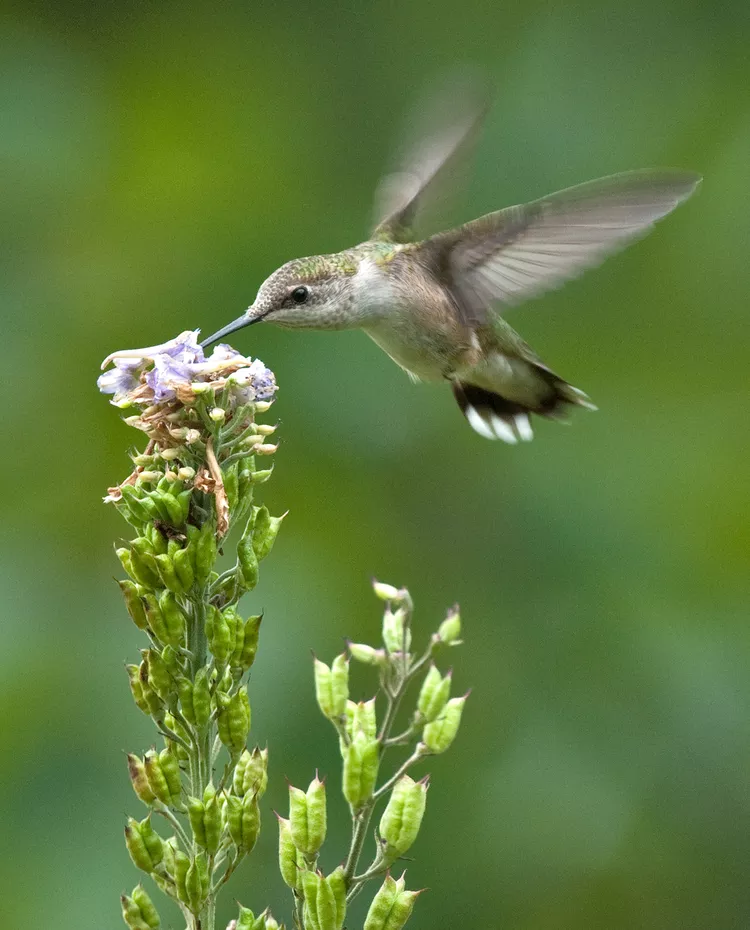
Look for what attracts hummingbirds: plants with tubular, scentless, brightly colored (often red, orange, or blue) flowers to grow, so it's easy for the birds to hover and sip nectar. Some flowers are shaped to accommodate short or long bills of specific hummingbird species.
Variety is also essential to how to attract hummingbirds. You wouldn't want to eat the same food every day. Neither do hummingbirds. Try to offer many different plants that bloom for long periods throughout the growing season. Flowers that open in spring and late summer are vital food sources for migrating hummers. Year-round bloom is important in mild-winter regions of the West and along the Gulf Coast, where some species overwinter. They're not particular about differentiating between the flowers of annuals, perennials, and vines.
How to Attract Hummingbirds with Landscaping
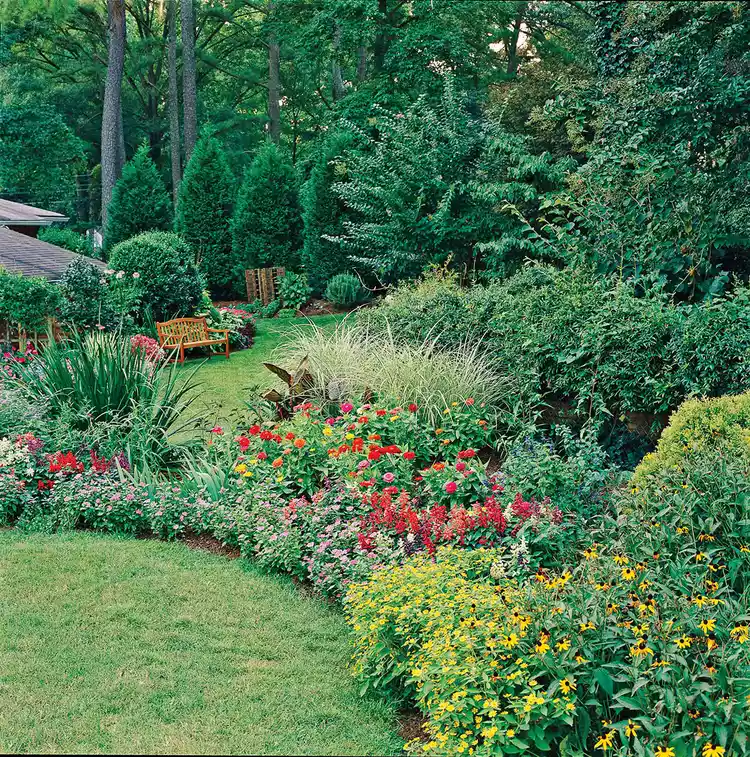
Having open space is how to attract hummingbirds since it allows them to move freely from one nectar source to another. A yard that's one-fourth shaded, one-fourth partially shaded, and the rest in the open sun is ideal. Curved beds and borders allow these agile birds to approach blooms from several sides. Keep shorter flowers in front of tall ones to make them even more accessible.
When not feeding, hummingbirds need to rest. Providing places for them to perch can keep them in your yard longer. Males perch almost anywhere in the open, including on twigs, clotheslines, and overhead wires. Females and juveniles prefer to remain hidden among trees, shrubs, and vines—plant trees and shrubs with hummingbird-friendly flowers to amplify nectar offerings while providing safe perches. Mimosa, scarlet buckeye, abelia, butterfly bush, and weigela entice hummingbirds to your garden.
How to Attract Hummingbirds with Supplemental Feeders
Besides providing nectar-producing plants, you can offer nutrition from a hummingbird feeder. The standard recipe to fill them closely approximates flower nectar: four parts water to one part sugar. To make food for hummingbirds, combine the ingredients and boil the mixture for two minutes to sterilize the syrup. Don't boil longer; evaporating more water can strengthen the solution, which can harm the birds. Cool the hummingbird recipe solution to room temperature before filling the feeder. Store the extra solution in the freezer; thaw to use in the next cycle.
Hummingbird Feeder Care and Use
Don't substitute honey for the sugar in the feeder recipe; the solution spoils quicker and may contain bacteria that can cause a fatal fungal disease in hummingbirds. Also, avoid artificial sweeteners; they don't provide any calories, and these active avians need lots of calories to keep them going.
Adding red food coloring to the recipe is unnecessary; most hummingbird feeders are made from red plastic or glass to help attract the birds. Also, the food coloring chemicals may harm the birds.
Clean hummingbird feeders at least once every three days in hot weather or every week in cool weather so harmful bacteria don't build up. Rinse the feeder with warm water. If you see mold, add a splash of vinegar and grains of uncooked rice to the water and shake vigorously to dislodge it. Remove the vinegar and rice and rinse carefully with clean, warm water. If you see any remaining dark spots, scrub them off with a toothbrush or bottle brush.
If your hummingbird feeder isn't attracting guests, pay attention. It's probably because your sugar solution has gone bad. Clean the feeder, refill it with fresh sugar water, and offer it again.
When to Feed Hummingbirds
Begin feeding hummingbirds in spring as they migrate to your area. Because the birds depend on insect protein, migration typically occurs after bug populations have built up from the winter season. In mild-winter regions where the birds may not migrate, gardeners can mix up the hummingbird feeder recipe and make it available to the birds all year long.
Hummingbird Habits
Once you invite hummingbirds to your garden, they'll return from migration, seeking flowers in the places they visited the year before. If you no longer provide them with food, they'll search for a new food source. If you must be away during critical periods, such as early spring when flowers are scarce or during nesting periods, ask a neighbor or friend to refill your feeders so the birds don't go hungry.
How to Attract Hummingbirds with Water
Along with a source of food, hummingbirds also need a water source. Each day, they take in as much as eight times their body weight in water. Much of this comes from nectar, but they also sip from dew-soaked leaves and other sources.
Hummingbirds love flying through a fine mist from a sprinkler but avoid most birdbaths, which are too deep. An elevated birdbath (they avoid coming to the ground to drink or bathe) with very shallow water levels may appeal to them.
More Ways to Attract Beneficial Wildlife to Your Garden
Insects are not always a bother. Ladybugs, parasitic wasps, and spiders, among others, can benefit your garden. Keep them coming by using organic gardening methods and fertilizers so they don't die off from pesticides. When fall arrives, leave some of the leaves for ground cover so there will be places for them to nest and lay their eggs. Choose native plants that bloom at various times of the year to keep them visiting your yard for nourishment. Use these methods to attract songbirds to your outdoor space so you can enjoy their greetings. For evening entertainment, invite fireflies to take up residence for a summertime light show.