Is Thyme a Perennial or Annual Plant?

43.5K
2.6K
313
2025-10-21
Is Thyme a Perennial or Annual Plant?

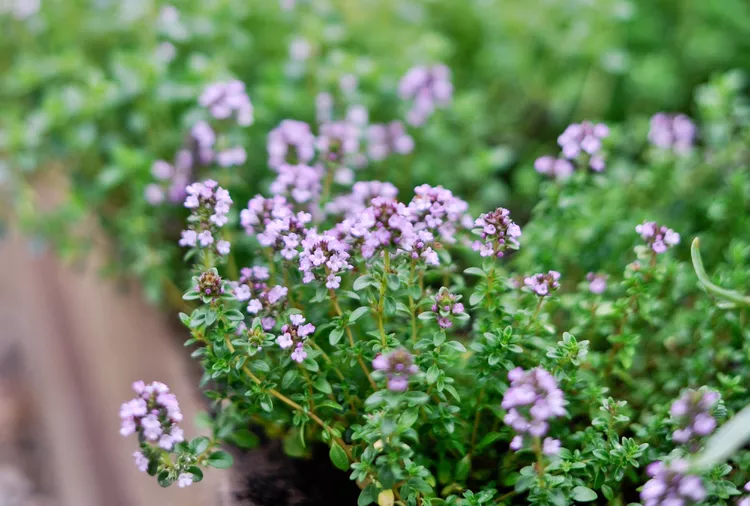
Thyme is actually a large group of herbaceous and evergreen plants with both upright and trailing or spreading varieties. Most types of thyme are hardy in USDA Zones 5-9, so the simple answer to the question of "Is thyme a perennial?" is yes, thyme plants are perennials that can live for many years. Here's what you need to know about the different types of thyme, and how to care for them to ensure these perennials thrive in your garden for many seasons to come.

If you garden in a colder place than Zone 5, you can either bring your thyme indoors at the end of the growing season and keep it as a houseplant, or grow thyme as an annual that you would need to replace in spring.

Types of Culinary Thyme

Many gardeners grow culinary thyme as an annual, buying pre-started plants in spring, growing them for harvest in summer and early fall, and then composting the plant at the end of the season. But when shopping for thyme plants to grow for eating, you may be perplexed by the variation in common names. That's because the culinary type of thyme (Thymus vulgaris) comes in many varieties. You might come across German thyme, English thyme, summer and winter thyme, French thyme, and creeping thyme. Perhaps the most commonly seen are summer thyme and winter thyme. 

Summer thyme, also called French thyme, is a smaller plant with a light flavor. Winter thyme, also called German thyme, is a bit larger and more cold-hardy. English thyme is a third variety of T. vulgaris, often called common or garden thyme. It is viewed as having the strongest flavor of the three. All of these culinary thyme varieties are perennial plants. And each one is tasty when harvested and added to recipes. They just have slightly different growth habits and flavors.

Other Popular Types of Thyme

You can grow culinary thyme as well as other types of thyme just for their good looks and pleasant fragrance. Popular types of thyme to grow as perennials in your garden beds and containers include:

  • Creeping thyme (Thymus serpyllum) is a tough, drought-tolerant groundcover that is sometimes used to replace grass in small yard areas. Each plant spreads to about one foot in diameter. Pollinators love this plant's tiny yet plentiful flowers.
  • Lemon thyme (Thymus citriodorus) has intensely lemon-scented leaves on upright stems that can reach about a foot tall. Some varieties feature variegated leaves, making them extra showy as filler plants in window boxes and other containers. In the kitchen, lemon thyme makes a bright and flavorful addition to marinades and salads.
  • Wooly thyme (Thymus pseudolanuginosus) is a creeping groundcover with fuzzy stems and leaves that form a dense, silvery mat that spreads about a foot in diameter. It is scent-free and rarely flowers. It also tolerates mild foot traffic when planted between paver stones on a walkway or garden steps.

Tips for Growing Thyme as a Perennial

Help your ornamental and culinary thyme plants thrive and live as long as possible with these essential care tips:

  • Pinching seedlings of upright types when they are 2–3 inches tall yields a bushier plant and provides more foliage. 
  • Thyme does best in full sun and requires soil with excellent drainage. It will thrive in dry, rocky soil where other plants won’t.
  • Like wine grapes, culinary thyme varieties develop the best flavor if the plant struggles a bit. Don’t overwater or overfertilize.
  • If you grow thyme as a perennial, it may become woody and need to be divided every few years to encourage more fresh, new growth.

Frequently Asked Questions

  • Do thyme plants spread?

    Some thyme varieties, like creeping thyme, spread willingly. Common thyme is less vigorous in that regard and usually creates a small shrub instead.

  • Should thyme be cut back every year?

    In colder climates, thyme overwintered in the garden should be cut back in spring to remove dead foliage and stems. It will readily come back from the base. In warmer climates, gardeners can trim back about a third of the woody stems yearly to keep perennial thyme plants productive. 

  • Can you grow thyme from seed?

    Thyme is tricky to grow from seed, but that doesn’t mean you can’t. They are notoriously slow to sprout and can take three weeks, even in perfect conditions. You need to start about 8-10 weeks before your last frost date.

Related Article

36 Fall Planters to Bring the Beauty of the Season to Your Doorstep
3.1K
62
24

36 Fall Planters to Bring the Beauty of the Season to Your Doorstep

Get inspired with these plans for fall planters to create colorful displays with annuals, perennials, grasses, and more.
26 Tiny Plants Perfect for Miniature Landscaping
3K
151
46

26 Tiny Plants Perfect for Miniature Landscaping

Create a miniature plant garden by finding out how to pot your tiny plants based on light and zone. See our list of small plants perfect for your containers.
How to Make a Hanging Basket for Your Front Porch or Patio
34.7K
1.7K
225

How to Make a Hanging Basket for Your Front Porch or Patio

Learn how to make a hanging basket that will grow and add color and life to your front porch. Hanging baskets are a lovely way to welcome guests.
16 Pretty and Simple Combinations of Window Box Flowers for Shade
29.7K
2.7K
615

16 Pretty and Simple Combinations of Window Box Flowers for Shade

Here are 16 beautiful and easy-care combinations of window box flowers for shade to add color wherever you need it.
How to Make a Pumpkin Succulent Centerpiece
7.3K
725
311

How to Make a Pumpkin Succulent Centerpiece

Use these simple step-by-step instructions for creating a fall pumpkin succulent planter centerpiece to decorate your dining room table all season.
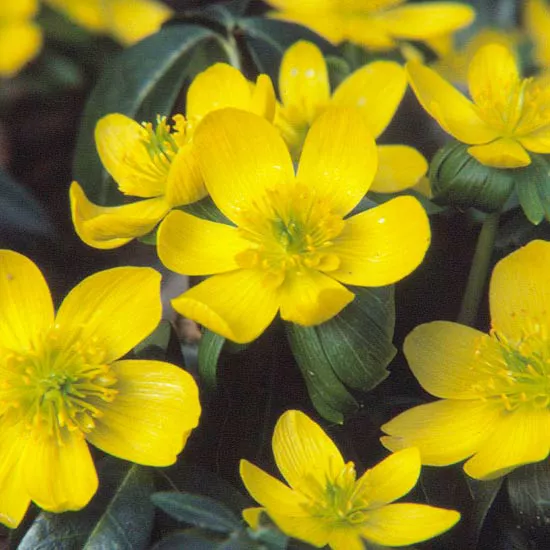
How to Plant and Grow Winter Aconite
5.8K
115
28

How to Plant and Grow Winter Aconite

Find essential tips for growing early-blooming winter aconites, including how and when to plant the tubers.
How to Plant and Grow Plectranthus
14.4K
863
371

How to Plant and Grow Plectranthus

Find essential growing tips for plectranthus, a genus of tropical foliage plants that come in many sizes, shapes, and textures.
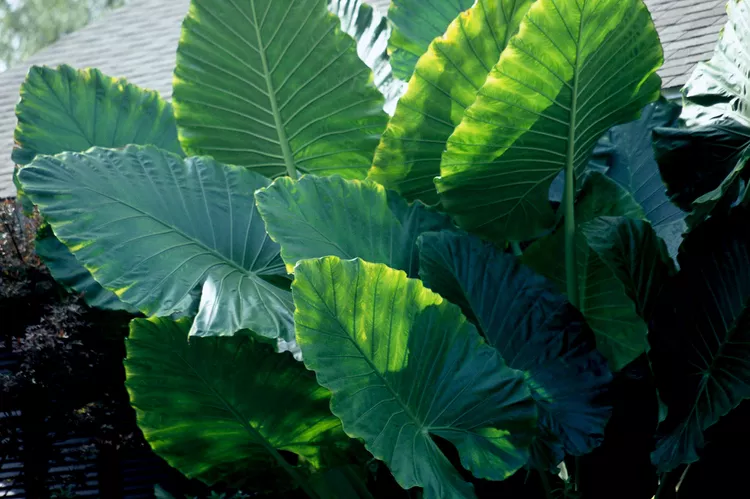
How to Plant and Grow Elephant’s Ear
3.6K
145
59

How to Plant and Grow Elephant’s Ear

Find key tips for growing elephant’s ear, a tropical plant with huge leaves and bold vein patterns that is an eye-catcher outdoors and indoors.
The 17 Easiest Roses to Grow to Add Tons of Colorful Blooms
43.1K
1.7K
688

The 17 Easiest Roses to Grow to Add Tons of Colorful Blooms

The easiest roses to grow, including small rose bushes and 'Rainbow Knock Out,' bloom profusely and have excellent disease resistance.
How to Attract Hummingbirds So They'll Visit Your Garden
24.7K
2.2K
777

How to Attract Hummingbirds So They'll Visit Your Garden

Here's how to attract hummingbirds to your garden so these adorable, fascinating birds become frequent visitors and add their charm to your landscape.
Light Up a Shady Spot with This Easy-Care Summer Shade Garden Plan
17.4K
521
161

Light Up a Shady Spot with This Easy-Care Summer Shade Garden Plan

Enjoy this easy-care, summer-blooming shade garden plan that combines hydrangeas, roses, lilacs, and more.
5 Garden Plans for Solving Your Yard’s Most Challenging Problems
36.9K
738
214

5 Garden Plans for Solving Your Yard’s Most Challenging Problems

If there are spots in your garden that never seem to flourish no matter what you try, our planting plans can help. Download our free guides.
This Colorful Hot-Summer Garden Plan Is Perfect for Warmer Months
38.2K
1.1K
435

This Colorful Hot-Summer Garden Plan Is Perfect for Warmer Months

The blooming flowers in this design look sizzling, even through heat waves.
Use This Slope Garden Plan to Add Color and Stop Erosion
30.6K
2.1K
943

Use This Slope Garden Plan to Add Color and Stop Erosion

A low-maintenance mix of annuals and perennials creates the perfect border for a set of steps.
8 Free Vegetable Garden Plans to Bring a Harvest to Your Backyard
22.5K
1.1K
112

8 Free Vegetable Garden Plans to Bring a Harvest to Your Backyard

If you would like to create a vegetable garden but aren't sure where to start, these free plans will get you on track to grow a healthy, beautiful selection of edible plants. Whether you want just a small raised bed or a full scale patch of produce, you'll find plenty of ideas here.
This Colorful Herb Garden Plan Enhances Your Yard and Dinner Plate
8.8K
439
215

This Colorful Herb Garden Plan Enhances Your Yard and Dinner Plate

Enjoy a display that not only smells and tastes delicious, but also looks gorgeous!
How to Plant and Grow Goumi Berry
24.5K
1.7K
599

How to Plant and Grow Goumi Berry

Hardy and resilient goumi berry shrubs are a unique fruit to grow in cool climates. Find out how to care for this
How to Plant and Grow Radishes
11K
551
203

How to Plant and Grow Radishes

Learn how to plant and grow radishes from seed so you can harvest the tastiest roots for salads and snacking.
How and When to Harvest Garlic at its Peak
9.7K
970
174

How and When to Harvest Garlic at its Peak

Knowing when to harvest garlic can be tricky. Use these tips to pick garlic bulbs at the perfect time and store your harvest so it lasts!
Here’s What Not to Put in Compost to Avoid a Contaminated Bin
33.6K
2.7K
322

Here’s What Not to Put in Compost to Avoid a Contaminated Bin

Composting is a simple way to turn your kitchen and yard waste into food for your garden. But some of these items should never be in compost.