
Maintaining a beautiful, lush lawn is a dream for many homeowners. However, achieving that perfect carpet of green requires more than just occasional mowing and watering. By making some critical corrections to your lawn care and maintenance schedule, you can transform your yard into a vibrant oasis in no time.
One of the first steps in proper lawn care is understanding the specific needs of your grass type. Different grasses have different requirements for sunlight, water, and nutrients. For example, cool - season grasses like Kentucky bluegrass and fescue thrive in the spring and fall, while warm - season grasses such as Bermuda grass and zoysia grass prefer the heat of summer. Knowing your grass type will help you determine the best time to perform tasks like fertilizing, mowing, and watering.
Fertilization is a crucial aspect of lawn care. A well - fertilized lawn is more resistant to diseases, pests, and drought. It's important to use the right type and amount of fertilizer. Slow - release fertilizers are often a good choice as they provide a steady supply of nutrients over time. You should fertilize your lawn at the appropriate times of the year based on your grass type. For cool - season grasses, early spring and late fall are ideal, while warm - season grasses benefit from fertilization in the late spring and summer.
Watering is another key factor. Many people make the mistake of over - watering their lawns, which can lead to shallow root growth and increased susceptibility to diseases. Instead, water deeply and infrequently. This encourages the grass roots to grow deeper into the soil, making the lawn more resilient. A good rule of thumb is to provide about one inch of water per week, either through rainfall or irrigation. Water in the early morning to reduce evaporation and allow the grass to dry before nightfall, which helps prevent fungal diseases.
Mowing is not just about keeping the grass short. The height at which you mow can have a significant impact on the health of your lawn. Different grass types have different optimal mowing heights. For example, Kentucky bluegrass should be mowed at around 2.5 to 3.5 inches, while Bermuda grass can be kept shorter, around 1 to 2 inches. Mowing too short can stress the grass and make it more vulnerable to weeds and pests. Also, make sure your mower blades are sharp. Dull blades can tear the grass, leaving it ragged and more prone to disease.
Weed control is an ongoing battle in lawn care. There are two main types of weeds: broadleaf weeds and grassy weeds. You can use pre - emergent herbicides to prevent weed seeds from germinating, and post - emergent herbicides to kill existing weeds. However, it's important to use these chemicals carefully and follow the instructions on the label. Organic methods of weed control, such as hand - pulling and using natural herbicides, are also options for those who prefer a more eco - friendly approach.
Aerating your lawn is an often - overlooked but important step in lawn care. Over time, the soil in your lawn can become compacted, which restricts the flow of air, water, and nutrients to the grass roots. Aerating involves creating small holes in the soil to relieve compaction. You can use a manual or mechanical aerator. Aerating is best done in the spring or fall, depending on your grass type. After aerating, you can spread topdressing, such as compost, to improve the soil structure and fertility.
Another aspect of lawn care is dealing with pests and diseases. Common lawn pests include grubs, chinch bugs, and armyworms. You can use insecticides to control these pests, but again, it's important to use them responsibly. For diseases, proper lawn maintenance practices such as correct watering, mowing, and fertilizing can go a long way in preventing them. If you do notice signs of disease, such as brown patches or discolored grass, it's important to identify the problem quickly and take appropriate action.
In conclusion, caring for your yard and maintaining a beautiful lawn requires a comprehensive approach. By making these critical corrections to your lawn care and maintenance schedule, you can enjoy a lush carpet of green that will be the envy of your neighborhood. Remember, a healthy lawn starts with understanding the needs of your grass and providing it with the proper care throughout the year.
Transform Your Lawn into a Lush Paradise
Transform Your Lawn into a Lush Paradise
Unleash the Power of Natural Compost Accelerators in Your Yard
Unleash the Power of Natural Compost Accelerators in Your Yard
The Hidden Secret to a Thriving Yard: Soil Testing
The Hidden Secret to a Thriving Yard: Soil Testing
The Secret to a Lush and Clover - Free Lawn
The Secret to a Lush and Clover - Free Lawn
Unveiling the Secrets of Mulching Lawn Mowers for a Lush Yard
Unveiling the Secrets of Mulching Lawn Mowers for a Lush Yard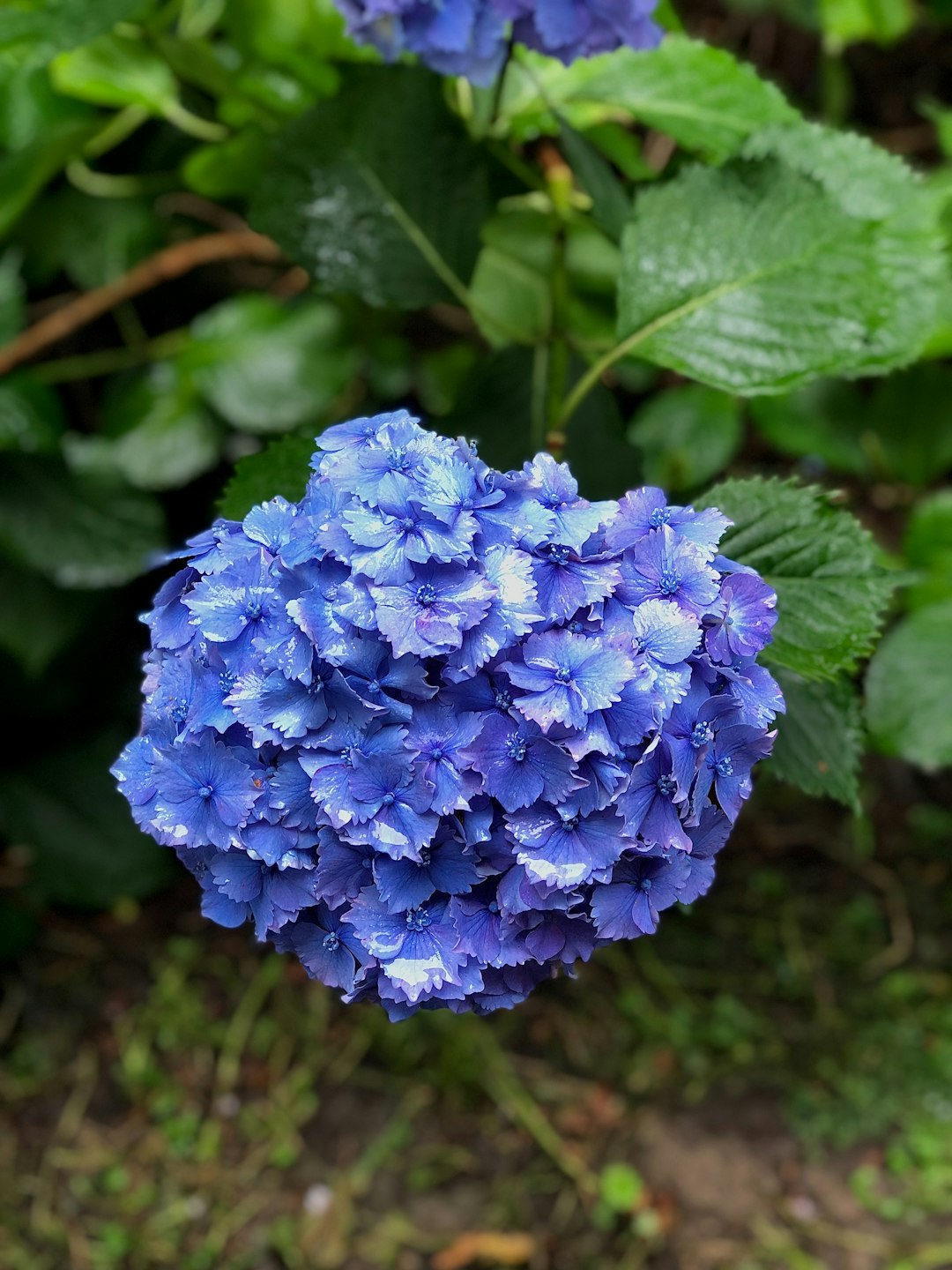
Unveiling the Secret: Dead or Dormant? A Guide to Your Garden Plants
Unveiling the Secret: Dead or Dormant? A Guide to Your Garden Plants
Unveiling the Secrets of Yard Edging and Path Installation
Unveiling the Secrets of Yard Edging and Path Installation
Secrets to Preserving Grass Seed for a Lush Lawn
Secrets to Preserving Grass Seed for a Lush Lawn
Embrace Nature's Rhythm in Lawn Care
Embrace Nature's Rhythm in Lawn Care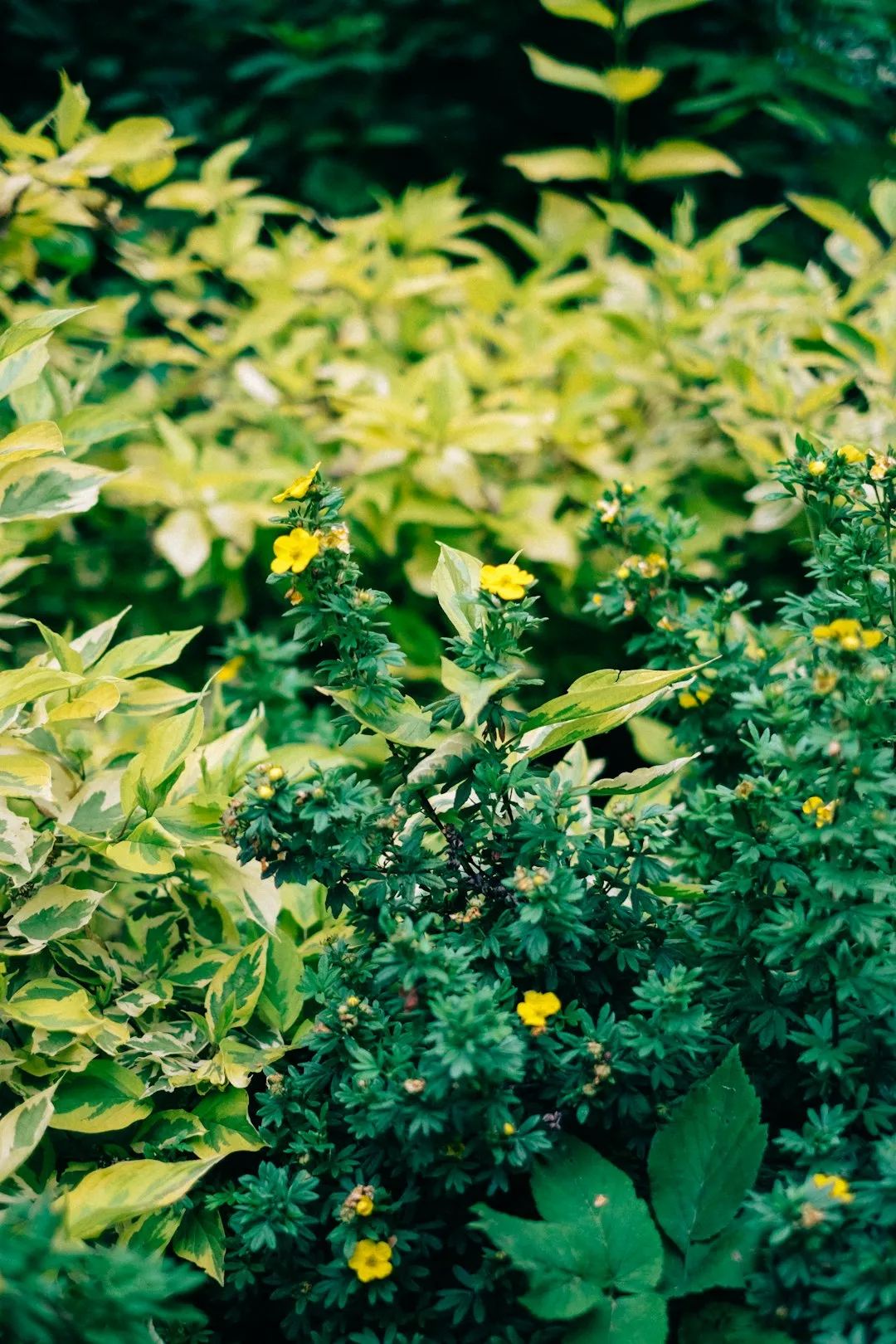
Transform Your Yard with Raised Garden Bed Magic
Transform Your Yard with Raised Garden Bed Magic
The Art of Seedling Thinning in Yard Gardening
The Art of Seedling Thinning in Yard Gardening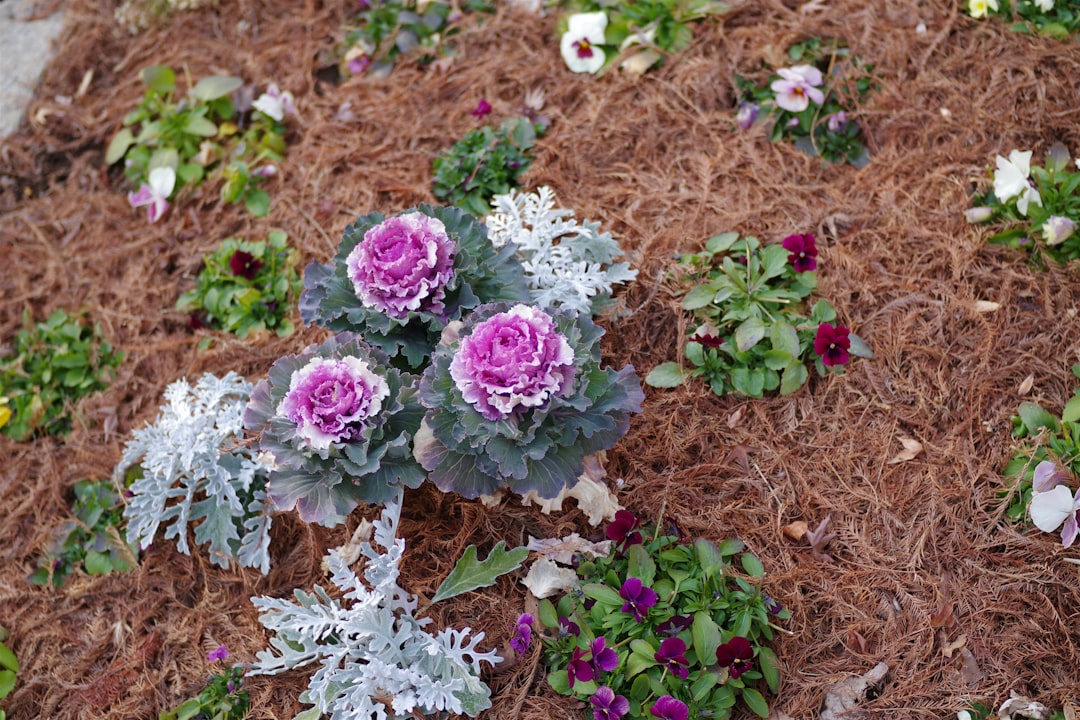
Mastering Fall Mulching: Timing and Tips for a Thriving Yard
Mastering Fall Mulching: Timing and Tips for a Thriving Yard
Winter's Garden No-No's
Winter's Garden No-No's
Mastering the Art of Grass - Free Flower Beds
Mastering the Art of Grass - Free Flower Beds
The Secret to a Stunning Yard: Choosing the Right Grass
The Secret to a Stunning Yard: Choosing the Right Grass
The Magic of Transforming Citrus and Fruit Leftovers into Yard Gold
The Magic of Transforming Citrus and Fruit Leftovers into Yard Gold
The Secret Weapon for a Thriving Yard: Fish Emulsion
The Secret Weapon for a Thriving Yard: Fish Emulsion
Unleashing the Full Bloom Potential of Your Dahlias
Unleashing the Full Bloom Potential of Your Dahlias
Winter Gardening: Paving the Way for a Lush Spring Yard
Winter Gardening: Paving the Way for a Lush Spring Yard
Transforming Barren Ground into a Thriving Garden Oasis
Transforming Barren Ground into a Thriving Garden Oasis

