
Compost gardening is a rewarding and eco - friendly practice that allows you to turn everyday kitchen waste into nutrient - rich soil for your yard. Among the various types of kitchen waste, citrus peels and leftover fruit hold great potential. In this article, we will explore the must - know tips to transform these citrus peels and leftover fruit into high - quality compost.
First and foremost, it's essential to understand the basic principles of composting. Composting is a natural process where microorganisms break down organic matter into a stable, soil - like substance. The key elements for successful composting are the right balance of carbon and nitrogen, adequate moisture, and proper aeration.
When it comes to using citrus peels and leftover fruit in compost, there are some initial considerations. Citrus peels, while rich in nutrients, can be a bit tricky. They contain natural oils that can inhibit the growth of some beneficial microorganisms in the compost pile. However, this doesn't mean you can't use them. The trick is to use them in moderation. A good rule of thumb is to limit citrus peels to about 10% of your total compost material. This way, you can still reap the benefits of their nutrients without disrupting the composting process.
Leftover fruit, on the other hand, is generally a great addition to the compost pile. Fruits are high in nitrogen, which is an essential element for the growth of microorganisms. They also break down relatively quickly, adding valuable nutrients to the compost. However, it's important to cut larger pieces of fruit into smaller chunks. This increases the surface area available for the microorganisms to work on, speeding up the decomposition process.
To start your compost pile with citrus peels and leftover fruit, you'll need a suitable container. You can use a traditional compost bin, a homemade wire cage, or even a simple pile in a corner of your yard. Line the bottom of your container with a layer of dry leaves or shredded newspaper. This provides a good carbon base and helps with drainage.
Next, add a layer of citrus peels and leftover fruit. Make sure to spread them out evenly. Then, cover this layer with a layer of grass clippings or other green, nitrogen - rich materials. Alternate between layers of carbon - rich (brown) and nitrogen - rich (green) materials. This layering technique helps maintain the proper carbon - to - nitrogen ratio, which is typically around 30:1 for optimal composting.
Moisture is another crucial factor. Your compost pile should be as moist as a wrung - out sponge. If it's too dry, the microorganisms will become inactive, and the decomposition process will slow down. If it's too wet, the pile may become anaerobic, leading to unpleasant odors. To maintain the right moisture level, you can water the pile periodically, especially during dry spells.
Aeration is also vital. Oxygen is necessary for the aerobic microorganisms that break down the organic matter. You can aerate your compost pile by turning it regularly with a pitchfork or a compost aerator. Turning the pile every few weeks helps mix the materials, introduces oxygen, and speeds up the decomposition process.
As the composting process progresses, you'll notice some changes. The pile may heat up, which is a sign that the microorganisms are actively working. Over time, the materials will start to break down, and the pile will shrink in size. After several months, your compost should be dark, crumbly, and have an earthy smell. This is a sign that it's ready to be used in your yard.
Using your homemade compost in your yard has numerous benefits. It enriches the soil, improving its structure and fertility. It helps retain moisture, reducing the need for frequent watering. It also suppresses plant diseases and pests, promoting healthier plant growth. You can spread the compost around your flower beds, vegetable gardens, or use it as a top - dressing for your lawn.
In conclusion, transforming citrus peels and leftover fruit into compost is a simple yet effective way to care for your yard. By following these must - know tips, you can create a sustainable cycle of waste reduction and soil improvement. So, the next time you have some citrus peels or leftover fruit, instead of throwing them away, put them to good use in your compost pile and watch your yard thrive.

Transform Your Lawn into a Lush Paradise
Transform Your Lawn into a Lush Paradise
Unleash the Power of Natural Compost Accelerators in Your Yard
Unleash the Power of Natural Compost Accelerators in Your Yard
The Hidden Secret to a Thriving Yard: Soil Testing
The Hidden Secret to a Thriving Yard: Soil Testing
The Secret to a Lush and Clover - Free Lawn
The Secret to a Lush and Clover - Free Lawn
Unveiling the Secrets of Mulching Lawn Mowers for a Lush Yard
Unveiling the Secrets of Mulching Lawn Mowers for a Lush Yard
Unveiling the Secret: Dead or Dormant? A Guide to Your Garden Plants
Unveiling the Secret: Dead or Dormant? A Guide to Your Garden Plants
Unveiling the Secrets of Yard Edging and Path Installation
Unveiling the Secrets of Yard Edging and Path Installation
Secrets to Preserving Grass Seed for a Lush Lawn
Secrets to Preserving Grass Seed for a Lush Lawn
Embrace Nature's Rhythm in Lawn Care
Embrace Nature's Rhythm in Lawn Care
Transform Your Yard with Raised Garden Bed Magic
Transform Your Yard with Raised Garden Bed Magic
The Art of Seedling Thinning in Yard Gardening
The Art of Seedling Thinning in Yard Gardening
Mastering Fall Mulching: Timing and Tips for a Thriving Yard
Mastering Fall Mulching: Timing and Tips for a Thriving Yard
Winter's Garden No-No's
Winter's Garden No-No's
Mastering the Art of Grass - Free Flower Beds
Mastering the Art of Grass - Free Flower Beds
The Secret to a Stunning Yard: Choosing the Right Grass
The Secret to a Stunning Yard: Choosing the Right Grass
The Magic of Transforming Citrus and Fruit Leftovers into Yard Gold
The Magic of Transforming Citrus and Fruit Leftovers into Yard Gold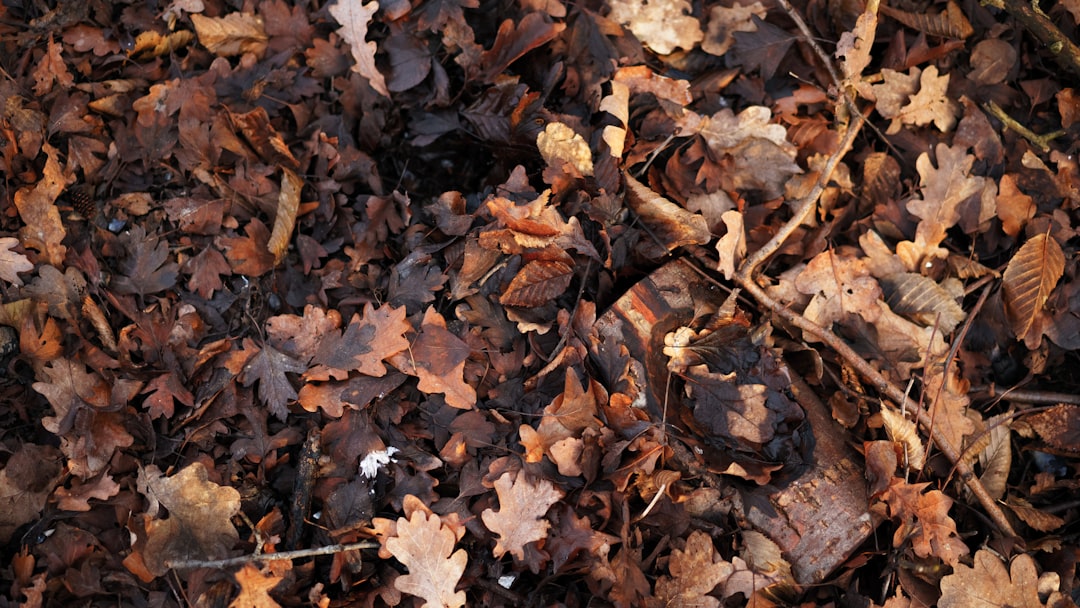
The Secret Weapon for a Thriving Yard: Fish Emulsion
The Secret Weapon for a Thriving Yard: Fish Emulsion
Unleashing the Full Bloom Potential of Your Dahlias
Unleashing the Full Bloom Potential of Your Dahlias
Winter Gardening: Paving the Way for a Lush Spring Yard
Winter Gardening: Paving the Way for a Lush Spring Yard
Transforming Barren Ground into a Thriving Garden Oasis
Transforming Barren Ground into a Thriving Garden Oasis

