Here’s What Not to Put in Compost to Avoid a Contaminated Bin

33.6K
2.7K
322
2025-11-15
Here’s What Not to Put in Compost to Avoid a Contaminated Bin

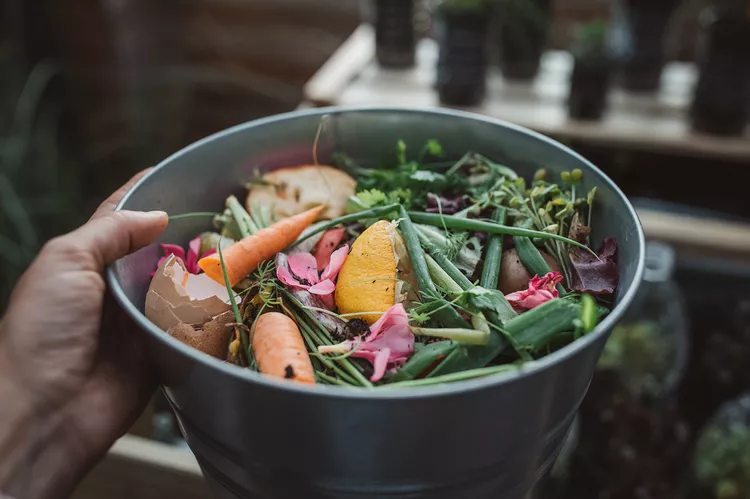
Composting is a simple way to turn your kitchen and yard waste into something useful for your garden. But not all of these materials are equally good to compost. For example, some food wastes will create an odor that may attract pests. And certain yard waste can slow down or halt your compost’s decomposition process, which can be frustrating. You don’t want to add anything that could harm you or your plants when you use the finished compost in your garden. Here’s what you definitely should leave out of your compost bin, along with a few household waste items that you probably didn’t know you could compost.

What NOT to Compost

While there are a few materials such as onion scraps, citrus peels, egg shells, and stale bread that are best added only in small amounts, the following items should never be put in your compost bin.

1. Meat and Fish Scraps

That stench of old seafood or the fetid smell of rotting meat are foul, to be sure. But the same repulsive scents are magnets for skunks, raccoons, rats, flies, and a lot of other wild critters, including a few neighborhood pets. So never put meat, fish, or bones in your compost pile. Even if you have a closed compost bin, the scent may draw picnicking pests.

2. Dairy, Fats, and Oils

Dairy products, such as cheese, butter, milk, sour cream, and yogurt, as well as fats and oils, should be avoided for the same reason; they attract unwanted visitors. Processed foods that contain a lot of dairy or fat should also be left out.

3. Plants or Wood Treated with Pesticides or Preservatives

Never add any plants to your compost that have been treated with insecticides, fungicides, or herbicides. The residue of chemicals used in the garden to kill insects and control plant diseases can unintentionally kill the beneficial composting organisms. Residue from herbicides may affect plants once the compost is added. The same applies to wood that’s been pressure treated, painted, stained, or varnished.

4. Black Walnut Tree Debris

Most untreated garden and yard waste makes a fine addition to your compost pile, but there are exceptions. Black walnut leaves, twigs, and especially the roots contain a natural substance called juglone that stunts the growth of many plants and may even kill them. Certain plants seem more sensitive, including edible crops such as tomato, pepper, and potato, and ornamentals such as azalea, viburnum, and hydrangea. With enough time and heat, research has found that juglone breaks down enough to lose its toxicity, but it’s better to leave out black walnut debris in the first place.

5. Diseased or Insect-Infested Plants

It takes a hot compost pile (one that reaches and maintains a temperature of 141°F to 145°F for at least several days) to kill insects and disease pathogens, such as fungi and bacteria. Unfortunately, most home compost bins and piles never reach such high temperatures, so it’s possible for pests and diseases to survive in them.

6. Weeds that Have Gone to Seed

The same caveat applies to weeds that have developed seeds, which generally can survive unless compost temperatures reach 145°F. There’s no sense in sowing next year’s weed crop while spreading your finished compost.

7. Charcoal Ash

Although you can add ashes from your wood-burning fireplace or outdoor fire pit to your compost (in limited quantities), you should skip coal and charcoal ash. First, these materials contain lots of sulfur, which can make your finished compost too acidic for most plants. Second, charcoal briquettes are often infused with chemicals that can harm plants.

8. Dog or Cat Waste

Dog and cat poop never should go in your compost pile. They can turn the end product into hazardous waste, because both cats and dogs can carry bacteria and parasites that cause human disease. Roundworms are the most common issue with dog poop. Cat feces and cat litter are an even greater concern, because they can carry the organism that causes toxoplasmosis, a disease of particular concern to pregnant women, as it can cause serious injury to an unborn child.

Surprising Things You Can Compost

Now that you know the don’ts, here are some do’s. There are plenty of waste products that may not have occurred to you, but can be safely added to your compost bin. However, add the following items only if they’re free of the aforementioned no-nos.

  • Hair and fur
  • Dryer lint
  • Aquarium plants
  • Home brewing wastes (spent hops and malt)
  • Used paper napkins and paper towels
  • Old herbs and spices
  • Unpopped or burned popcorn
  • Cardboard and paper plates (small pieces, uncoated)
  • Wooden chopsticks and toothpicks

Related Article

36 Fall Planters to Bring the Beauty of the Season to Your Doorstep
3.1K
62
24

36 Fall Planters to Bring the Beauty of the Season to Your Doorstep

Get inspired with these plans for fall planters to create colorful displays with annuals, perennials, grasses, and more.
26 Tiny Plants Perfect for Miniature Landscaping
3K
151
46

26 Tiny Plants Perfect for Miniature Landscaping

Create a miniature plant garden by finding out how to pot your tiny plants based on light and zone. See our list of small plants perfect for your containers.
How to Make a Hanging Basket for Your Front Porch or Patio
34.7K
1.7K
225

How to Make a Hanging Basket for Your Front Porch or Patio

Learn how to make a hanging basket that will grow and add color and life to your front porch. Hanging baskets are a lovely way to welcome guests.
16 Pretty and Simple Combinations of Window Box Flowers for Shade
29.7K
2.7K
615

16 Pretty and Simple Combinations of Window Box Flowers for Shade

Here are 16 beautiful and easy-care combinations of window box flowers for shade to add color wherever you need it.
How to Make a Pumpkin Succulent Centerpiece
7.3K
725
311

How to Make a Pumpkin Succulent Centerpiece

Use these simple step-by-step instructions for creating a fall pumpkin succulent planter centerpiece to decorate your dining room table all season.
How to Plant and Grow Winter Aconite
5.8K
115
28

How to Plant and Grow Winter Aconite

Find essential tips for growing early-blooming winter aconites, including how and when to plant the tubers.
How to Plant and Grow Plectranthus
14.4K
863
371

How to Plant and Grow Plectranthus

Find essential growing tips for plectranthus, a genus of tropical foliage plants that come in many sizes, shapes, and textures.
How to Plant and Grow Elephant’s Ear
3.6K
145
59

How to Plant and Grow Elephant’s Ear

Find key tips for growing elephant’s ear, a tropical plant with huge leaves and bold vein patterns that is an eye-catcher outdoors and indoors.
The 17 Easiest Roses to Grow to Add Tons of Colorful Blooms
43.1K
1.7K
688

The 17 Easiest Roses to Grow to Add Tons of Colorful Blooms

The easiest roses to grow, including small rose bushes and 'Rainbow Knock Out,' bloom profusely and have excellent disease resistance.
How to Attract Hummingbirds So They'll Visit Your Garden
24.7K
2.2K
777

How to Attract Hummingbirds So They'll Visit Your Garden

Here's how to attract hummingbirds to your garden so these adorable, fascinating birds become frequent visitors and add their charm to your landscape.
Light Up a Shady Spot with This Easy-Care Summer Shade Garden Plan
17.4K
521
161

Light Up a Shady Spot with This Easy-Care Summer Shade Garden Plan

Enjoy this easy-care, summer-blooming shade garden plan that combines hydrangeas, roses, lilacs, and more.
5 Garden Plans for Solving Your Yard’s Most Challenging Problems
36.9K
738
214

5 Garden Plans for Solving Your Yard’s Most Challenging Problems

If there are spots in your garden that never seem to flourish no matter what you try, our planting plans can help. Download our free guides.
This Colorful Hot-Summer Garden Plan Is Perfect for Warmer Months
38.2K
1.1K
435

This Colorful Hot-Summer Garden Plan Is Perfect for Warmer Months

The blooming flowers in this design look sizzling, even through heat waves.
Use This Slope Garden Plan to Add Color and Stop Erosion
30.6K
2.1K
943

Use This Slope Garden Plan to Add Color and Stop Erosion

A low-maintenance mix of annuals and perennials creates the perfect border for a set of steps.
8 Free Vegetable Garden Plans to Bring a Harvest to Your Backyard
22.5K
1.1K
112

8 Free Vegetable Garden Plans to Bring a Harvest to Your Backyard

If you would like to create a vegetable garden but aren't sure where to start, these free plans will get you on track to grow a healthy, beautiful selection of edible plants. Whether you want just a small raised bed or a full scale patch of produce, you'll find plenty of ideas here.
This Colorful Herb Garden Plan Enhances Your Yard and Dinner Plate
8.8K
439
215

This Colorful Herb Garden Plan Enhances Your Yard and Dinner Plate

Enjoy a display that not only smells and tastes delicious, but also looks gorgeous!
How to Plant and Grow Goumi Berry
24.5K
1.7K
599

How to Plant and Grow Goumi Berry

Hardy and resilient goumi berry shrubs are a unique fruit to grow in cool climates. Find out how to care for this
How to Plant and Grow Radishes
11K
551
203

How to Plant and Grow Radishes

Learn how to plant and grow radishes from seed so you can harvest the tastiest roots for salads and snacking.
How and When to Harvest Garlic at its Peak
9.7K
970
174

How and When to Harvest Garlic at its Peak

Knowing when to harvest garlic can be tricky. Use these tips to pick garlic bulbs at the perfect time and store your harvest so it lasts!
Here’s What Not to Put in Compost to Avoid a Contaminated Bin
33.6K
2.7K
322

Here’s What Not to Put in Compost to Avoid a Contaminated Bin

Composting is a simple way to turn your kitchen and yard waste into food for your garden. But some of these items should never be in compost.