
In the realm of yard gardening, the concept of “less is often more” holds significant sway, especially when it comes to the crucial task of thinning seedlings. This principle might seem counter - intuitive at first, as one might assume that more seedlings would lead to a more bountiful harvest. However, upon closer examination, it becomes clear that proper thinning is essential for the healthy growth of plants.
Seedlings are young plants that have just germinated from seeds. When you sow seeds, you usually plant more than you actually need. This is because not all seeds will germinate successfully. But once they start to sprout, overcrowding can become a problem. Overcrowded seedlings compete for essential resources such as sunlight, water, and nutrients in the soil. This competition can lead to weak, stunted growth, and in some cases, the plants may even die.
Let's take a look at the general rule of “less is more” in seedling thinning. When you thin seedlings, you are essentially removing the weaker or excess plants to give the remaining ones more space to thrive. For example, if you have a row of lettuce seedlings that are too close together, thinning them out allows each plant to have enough room to develop a full - sized head. The remaining plants can spread their roots more freely, access more sunlight for photosynthesis, and absorb an adequate amount of water and nutrients from the soil. As a result, they are more likely to grow into healthy, productive plants.
However, it's important to note that there are exceptions to this rule. These exceptions depend on your planting techniques and the types of plants you want to grow. Some plants actually benefit from being grown in closer proximity. For instance, certain varieties of carrots can be grown a bit more densely compared to other vegetables. Carrots have long, thin roots, and as long as they have enough vertical space to grow downwards, they can tolerate being closer together horizontally. In this case, thinning too much might not be necessary.
Another factor to consider is your planting technique. If you are using a square - foot gardening method, the spacing requirements are different from traditional row gardening. In square - foot gardening, you divide your garden bed into square sections and plant a specific number of plants per square based on their mature size. This method often requires less thinning because you have already planned the spacing carefully. On the other hand, if you broadcast - sow seeds, which means scattering them randomly over an area, you will likely need to do more extensive thinning to achieve the right plant density.
When it comes to deciding which seedlings to remove during thinning, there are a few guidelines you can follow. Look for seedlings that are smaller, weaker, or have an abnormal appearance. These are usually the ones that are less likely to grow into healthy plants. You can use small scissors or your fingers to gently remove the unwanted seedlings. Be careful not to disturb the roots of the remaining plants while doing this.
It's also important to time your thinning correctly. You should wait until the seedlings have developed their first true leaves. The first leaves that emerge from a seed are called cotyledons, which are different from the true leaves. True leaves are the ones that look like the leaves of the mature plant. Once the true leaves appear, the seedlings are more established, and it's a good time to start thinning.
After thinning, you need to take care of the remaining seedlings. Water them gently to help them recover from the disturbance. You can also add a light layer of mulch around the plants to help retain moisture in the soil and suppress weed growth. Additionally, you may want to consider fertilizing the plants to provide them with the extra nutrients they need to grow strong and healthy.
In conclusion, seedling thinning is a vital part of yard gardening. While the principle of “less is more” generally applies, it's crucial to understand the exceptions based on your planting techniques and the types of plants you are growing. By following the right practices for thinning, timing it correctly, and providing proper after - care, you can ensure that your yard garden thrives and produces a bountiful harvest.
Transform Your Lawn into a Lush Paradise
Transform Your Lawn into a Lush Paradise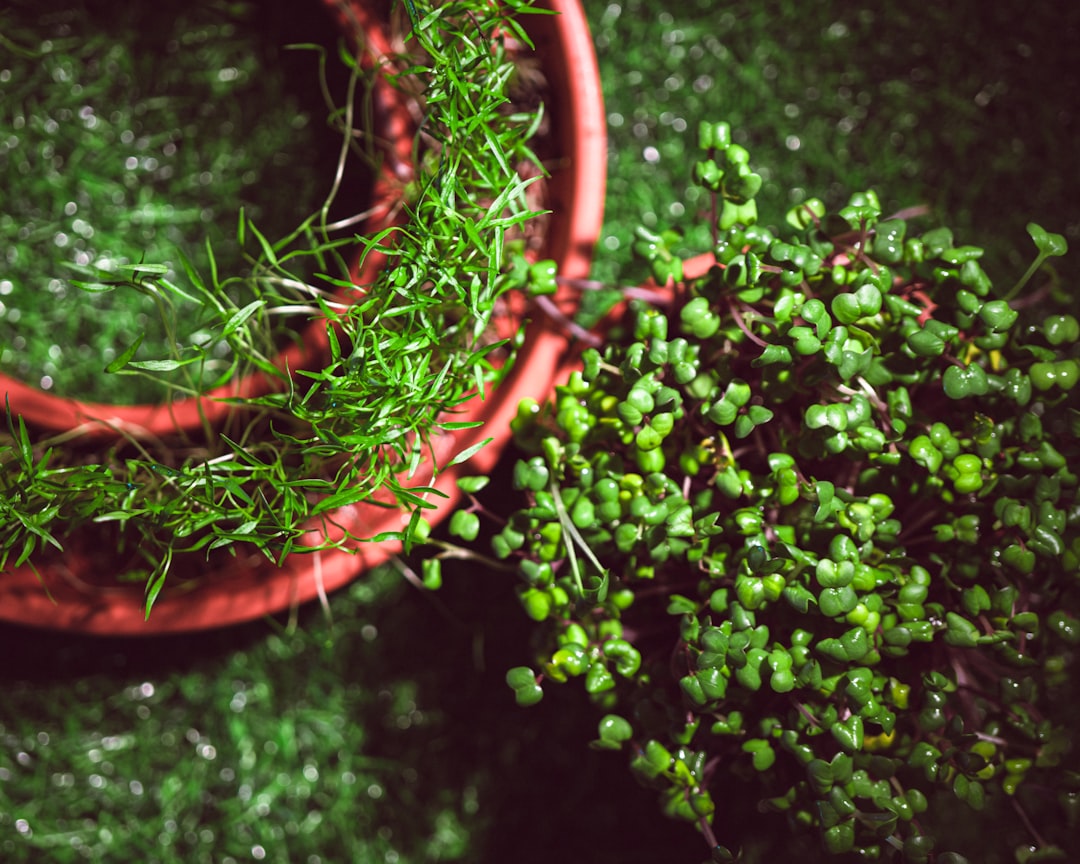
Unleash the Power of Natural Compost Accelerators in Your Yard
Unleash the Power of Natural Compost Accelerators in Your Yard
The Hidden Secret to a Thriving Yard: Soil Testing
The Hidden Secret to a Thriving Yard: Soil Testing
The Secret to a Lush and Clover - Free Lawn
The Secret to a Lush and Clover - Free Lawn
Unveiling the Secrets of Mulching Lawn Mowers for a Lush Yard
Unveiling the Secrets of Mulching Lawn Mowers for a Lush Yard
Unveiling the Secret: Dead or Dormant? A Guide to Your Garden Plants
Unveiling the Secret: Dead or Dormant? A Guide to Your Garden Plants
Unveiling the Secrets of Yard Edging and Path Installation
Unveiling the Secrets of Yard Edging and Path Installation
Secrets to Preserving Grass Seed for a Lush Lawn
Secrets to Preserving Grass Seed for a Lush Lawn
Embrace Nature's Rhythm in Lawn Care
Embrace Nature's Rhythm in Lawn Care
Transform Your Yard with Raised Garden Bed Magic
Transform Your Yard with Raised Garden Bed Magic
The Art of Seedling Thinning in Yard Gardening
The Art of Seedling Thinning in Yard Gardening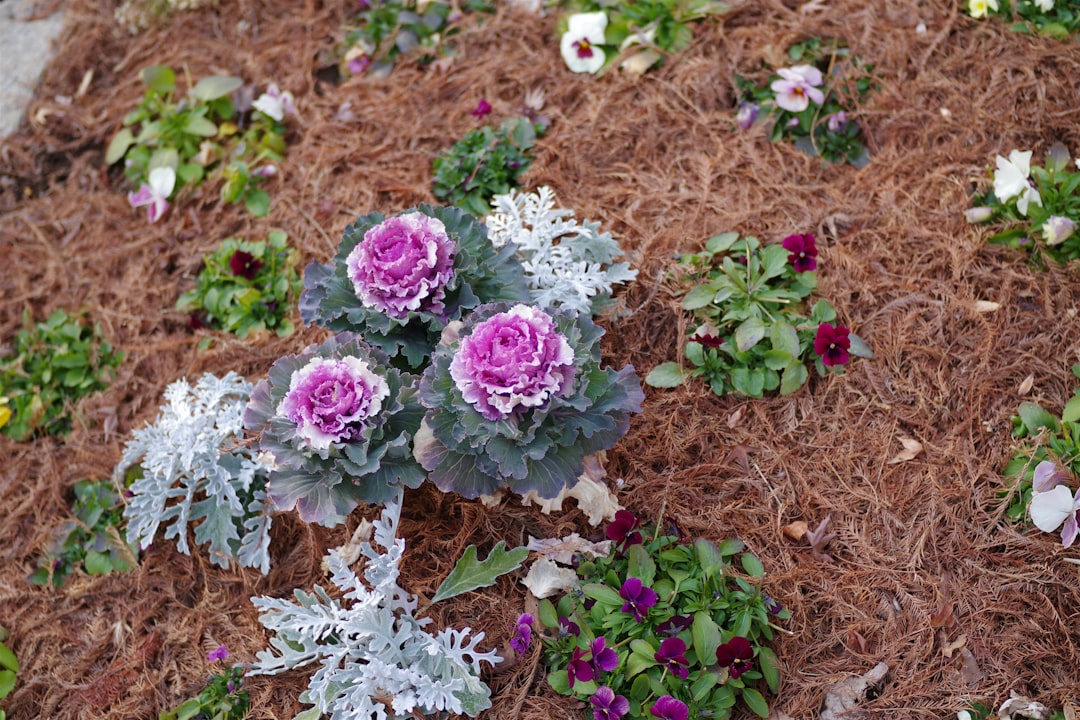
Mastering Fall Mulching: Timing and Tips for a Thriving Yard
Mastering Fall Mulching: Timing and Tips for a Thriving Yard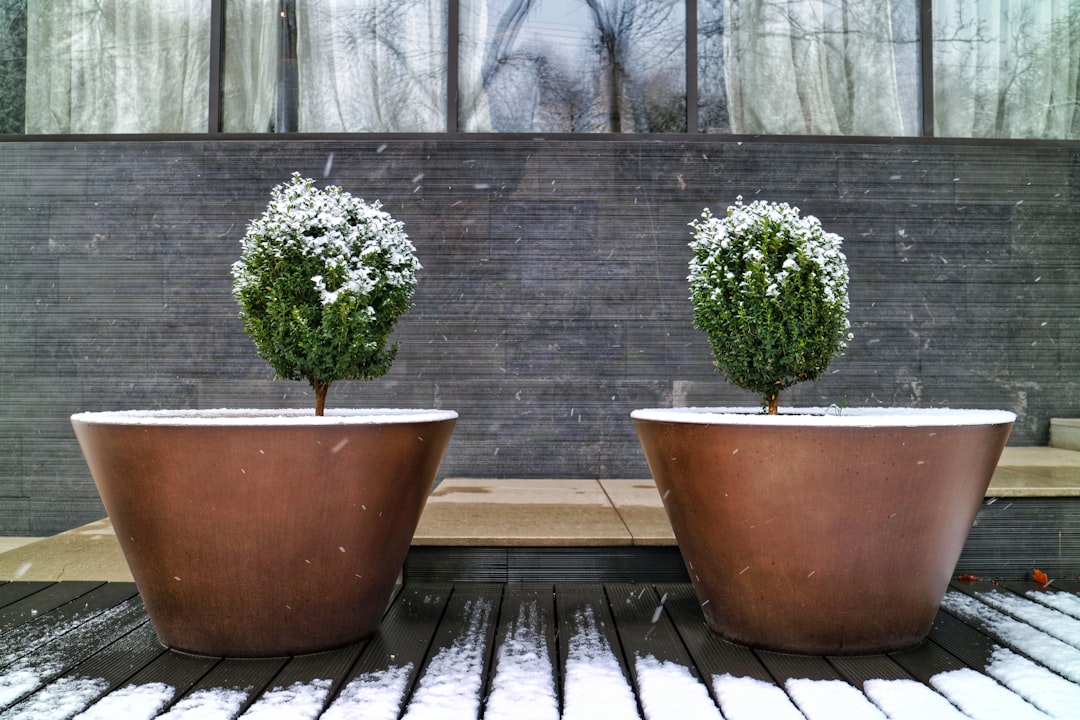
Winter's Garden No-No's
Winter's Garden No-No's
Mastering the Art of Grass - Free Flower Beds
Mastering the Art of Grass - Free Flower Beds
The Secret to a Stunning Yard: Choosing the Right Grass
The Secret to a Stunning Yard: Choosing the Right Grass
The Magic of Transforming Citrus and Fruit Leftovers into Yard Gold
The Magic of Transforming Citrus and Fruit Leftovers into Yard Gold
The Secret Weapon for a Thriving Yard: Fish Emulsion
The Secret Weapon for a Thriving Yard: Fish Emulsion
Unleashing the Full Bloom Potential of Your Dahlias
Unleashing the Full Bloom Potential of Your Dahlias
Winter Gardening: Paving the Way for a Lush Spring Yard
Winter Gardening: Paving the Way for a Lush Spring Yard
Transforming Barren Ground into a Thriving Garden Oasis
Transforming Barren Ground into a Thriving Garden Oasis

